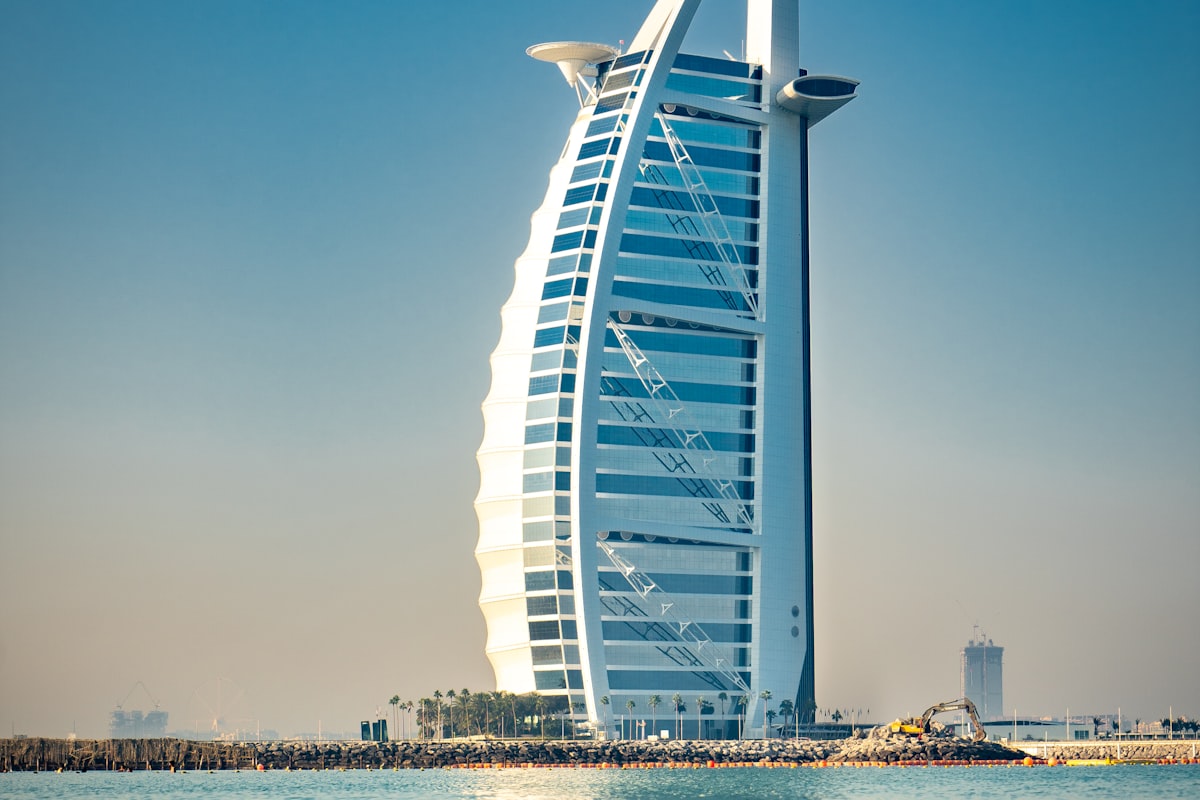
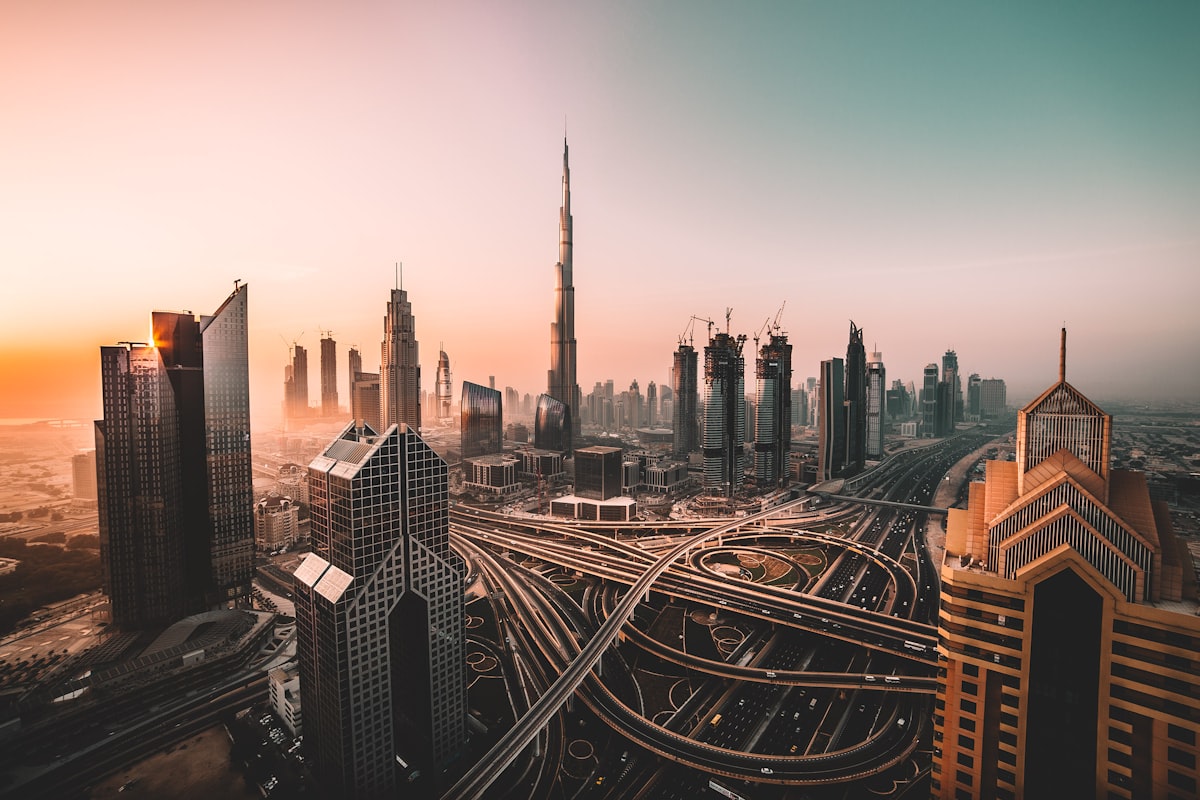
Dubai enters the second half of 2026 as one of the world's most active real estate markets — supported by record transaction activity, continuous development, and a widening base of global buyers. Here are the three variables that will define the rest of the year: prices, rents, and supply.
The context matters. 2025 closed with more than 270,000 transactions worth over AED 917 billion, up around 20% year-on-year. 2026 has carried that momentum: Q1 delivered AED 252 billion (+31% YoY), January alone printed roughly AED 111 billion, and H1 property sales reached AED 286 billion — the second-highest half-year on record. So the question isn't whether the market is strong. It's where it goes from here.
1. Prices: still climbing, but more selectively
Market-wide average prices sit near AED 1,976/sqft — up roughly 18% year-on-year. That pace won't hold everywhere. What we expect through 2026 is divergence: prime and well-located mid-market assets keep appreciating, while generic stock in oversupplied pockets flattens.
- Prime (Palm, Downtown, Emirates Hills) — scarcity keeps pushing records.
- Mid-market (JVC, Business Bay, Dubai Hills) — strongest volume and healthy growth.
- Commodity stock — most exposed to the incoming supply wave.
2. Rents: cooling from the top, firm at the core
Rental growth has been extraordinary for three years, and some prime segments are now near the ceiling of affordability. Expect rent increases to moderate in the most expensive communities while remaining resilient where yields are highest. Communities like JVC continue to offer gross yields of 7.5–9% — which is exactly what keeps investor demand deep even as headline rents plateau at the top.
The story of 2026 isn't "up or down" — it's "which asset, in which community, at which price."
3. Supply: the variable everyone underestimates
A large pipeline of off-plan units is scheduled to hand over across 2026–2027. Handovers are healthy for a maturing market, but they concentrate risk in specific communities. The right question before you buy: how much competing supply lands within walking distance of your unit in the next 24 months? That single factor will separate the assets that hold value from the ones that stall.
What to actually do
- Buy the location, not the launch. Infrastructure and walkability outlast marketing.
- Underwrite the exit. Know your resale and rental comparables before you commit.
- Mind the handover calendar. Supply timing is now a core part of the decision.
Dubai in 2026 rewards discipline over FOMO. The fundamentals — population growth, zero income tax, residency pathways, and a clear long-term vision — remain firmly intact. The edge now comes from selection, and that's where working with people who read the data daily pays for itself.